Survival Show / Juno Dawson / Book Review
SURVIVAL SHOW
Taryn Beck's barely hanging on. A refugee who fled a flooded south England, she's been stuck in limbo for years. Not enough food. Not enough housing. Not enough work, and not enough promise for her future. In other words, she's perfect for Project Population (not that she particularly wants to die).
But Taryn has one ray of hope in her life. Not for herself, but for her brother. Her chronically ill brother, who needs medication to live. Medication they can't get. Medication she can get for him, if she lands a spot on the next season of Starmaker, Network G's most popular reality TV competition. She's got the voice, if nothing else.
The rules are simple: young women from all over the globe audition, and if they make the cut, they'll be invited to the show. Network G's looking for an all-new girl pop sensation: singer-songwriter-dancers all around. And Taryn knows she has what it takes to be part of DOLLHOU5E. She just has to hope that the public agrees, because those who are eliminated find themselves at the mercy of Project Population's euthanasia initiative, live on TV.
But Taryn has one ray of hope in her life. Not for herself, but for her brother. Her chronically ill brother, who needs medication to live. Medication they can't get. Medication she can get for him, if she lands a spot on the next season of Starmaker, Network G's most popular reality TV competition. She's got the voice, if nothing else.
The rules are simple: young women from all over the globe audition, and if they make the cut, they'll be invited to the show. Network G's looking for an all-new girl pop sensation: singer-songwriter-dancers all around. And Taryn knows she has what it takes to be part of DOLLHOU5E. She just has to hope that the public agrees, because those who are eliminated find themselves at the mercy of Project Population's euthanasia initiative, live on TV.

THOUGHTS
Is this good dystopia? No. It falls solidly in the "dystopia as aesthetic" category that was so popular in the 2010s, following the success of The Hunger Games. Does it have a meaningful political critique? No. And that means it isn't good dystopia. Sorry.
Is this good dystopia? No. It falls solidly in the "dystopia as aesthetic" category that was so popular in the 2010s, following the success of The Hunger Games. Does it have a meaningful political critique? No. And that means it isn't good dystopia. Sorry.
PROS
| Sisterhood | It's truly devastating that I didn't like this book, because I liked so many of the intrinsic elements that build this book. Juno Dawson has created the kind of book I'd love to put into the hands of a thousand readers because she does some things so well. Like sisterhood. At it's core, this book is about sisterhood, girls supporting girls, encouraging girls, loving being and being with girls. And that's definitely not something I thought I'd get in a competitive singing death competition book. But the cast of this reality TV show are great. They're great supporting characters to Taryn, and they're great at supporting (and being supported by) Taryn. It's all sororal love, with some deadly stakes, and that's more than I hoped to get out of this cast of characters. There's a lot I don't think worked in this book, but the characters aren't one of those problems. They might even be the book's one saving grace. |
| Open Arms | I knew I'd get great queer rep in a Juno Dawson book, so I'm not surprised. But I'm still so happy about it. There are a lot of queer characters in this book, labeled and unlabeled, and I loved that. But I especially loved the trans rep that we get here. Leela is awesome, both as a character and as trans-feminine representation. I don't think this book offers a good political critique (something I'll disparage in a moment), but the exception to that is Leela. At a time when transgender people -- and especially trans women -- are constantly a point of political debate, it feels defiant to so openly and unquestionably present a character like Leela, who is confident in her femininity, in her inclusion in the girl band DOLLHOU5E, and in her right to exist. That's not really the point that this book intends to make, from a political point of view (though transgender rights are touched on in passing), but it does speak to our current political climate more than anything else this book has to offer. And I love that. |
| Silly Fun | This book... I didn't like it. It isn't my type of dystopia. It isn't good dystopia. But when it comes to the big dystopia boom of the 2010s, well, I'm a bit in the minority. Most of those books weren't good dystopia either, but they had (and sometimes still have) die-hard fans. Fans who acknowledge that they aren't, necessarily, good. And this book might just speak to those readers. I like my dystopia a bit more serious (or, if it isn't serious, more tongue-in-cheek than earnest). But there's a place for fun, silly, goofy concept dystopia. Obviously there is. So what doesn't work for me might just be the silly spark that really hooks someone else. My opinion isn't the end-all-be-all, after all, and this book is just good fun. That's really all it's meant to be, at the end of the day, and I can respect that. |
CONS
| I have said, am saying, and will always say that good dystopia needs to be political, and boy, have I been disappointed on that front recently. Survival Show isn't alone in really failing to make that political critique. It's just really lacking in teeth. Don't get me wrong. There's death and gore. That's not the teeth we're lacking. But we're lacking strong political teeth. We're lacking call-outs, whistleblowing, abject condemnation. There are critiques in this book, and they're all critiques of the entertainment industry. Which, fair enough. There's room for critique in the world of entertainment, for sure. But as dystopia? It doesn't work. You can't just throw in the rising tides of climate change and a notion that "five wealthy families" rule the world and call it dystopia. Project Population is the strongest actual dystopian element, and we just don't explore widespread euthanasia enough in this book to give it the grit it should have. Critiques of the entertainment industry? Good. But lacking in anything else? Not good. Whether this widespread lack of political commentary stems from authors lacking the courage to get truly political (very possible, in this Internet age) or cowardice on the part of publishers (because politics is bad for business), messy dystopia with the teeth to really rip the throat out of the current political schema just isn't hitting the shelves. And that's a shame. What's the point of free speech if we aren't free to use it? | Industry Plant |
| I once got feedback on an undergraduate essay I had written where the professor called my writing "too clean." The essay, he said, was too neat and polished. It didn't offer anything for readers to argue against, and so it was successful on the one hand (in convincing readers I knew what I was talking about) and unsuccessful on the other (in being memorable, in offering a valuable voice in the conversation). And that space, the technically-correct-but-not-worth-reading space, is exactly where this book sits. Even though I think this book does a decent job of critiquing the entertainment industry, I do think it all felt a little... passé. By which I mean none of the shocking, harsh realities of this dystopic TV show are that shocking in the year 2026. We're living in a time of celebrity tell-alls. We're living in a post-#MeToo world. We're living in an era when celebrities have podcasts to speak about what they went through behind the scenes. Nothing's a secret anymore. So the harsh realities here aren't unbelievable. They're all too believable, in that everything here is just a fact of the industry as we know it today. It's a safe critique, because it's a place where most readers already stand. And if your readers aren't going to be shocked, incensed, or forced to reckon with their own implicit biases, well, what's the point of the dystopia you've written? You're hardly giving a warning when the world has already been warned by the very real celebrities who have lived it. | Behind the Times |
| I know it's a strange spot in the publishing world now where they don't want to give authors the promise of more than one book, but some books demand more than one book. And they demand more than a duology, too. I do despise a duology. This book could have really benefited from a multi-book deal. That might have made it better. This book doesn't give us the time to stew in its atrocities, and I think you need a reckoning before you can get a revolution. There's no reckoning here. Project Population euthanizes people, and they've teamed up with Starmaker to euthanize young musicians live on TV. And Taryn is horrified about that. And that doesn't work. Readers should be horrified, but the characters? That's just the world they're living in. Maybe up close and personal is different, so having a mental switch-up the first time she sees it in person is entirely possible. And it's not like Taryn, a mere citizen, has to be on board with this whole system. But she has to accept it, to some degree, as part of the rules of her life. In this book, she doesn't. She's railing against the system from the start, and that means readers don't get the chance to soak in the ideology, to be horrified by the how did we get here of it all. The revolution starts in Taryn before the book even begins, and she's ready to tear the system down before she's even a part of it. And that's just not very effective dystopian worldbuilding. It's not shocking or startling to have a character already on the same page as the reader. Sorry. | Too Revolutionary |
Rating
⭐⭐⭐
3/10
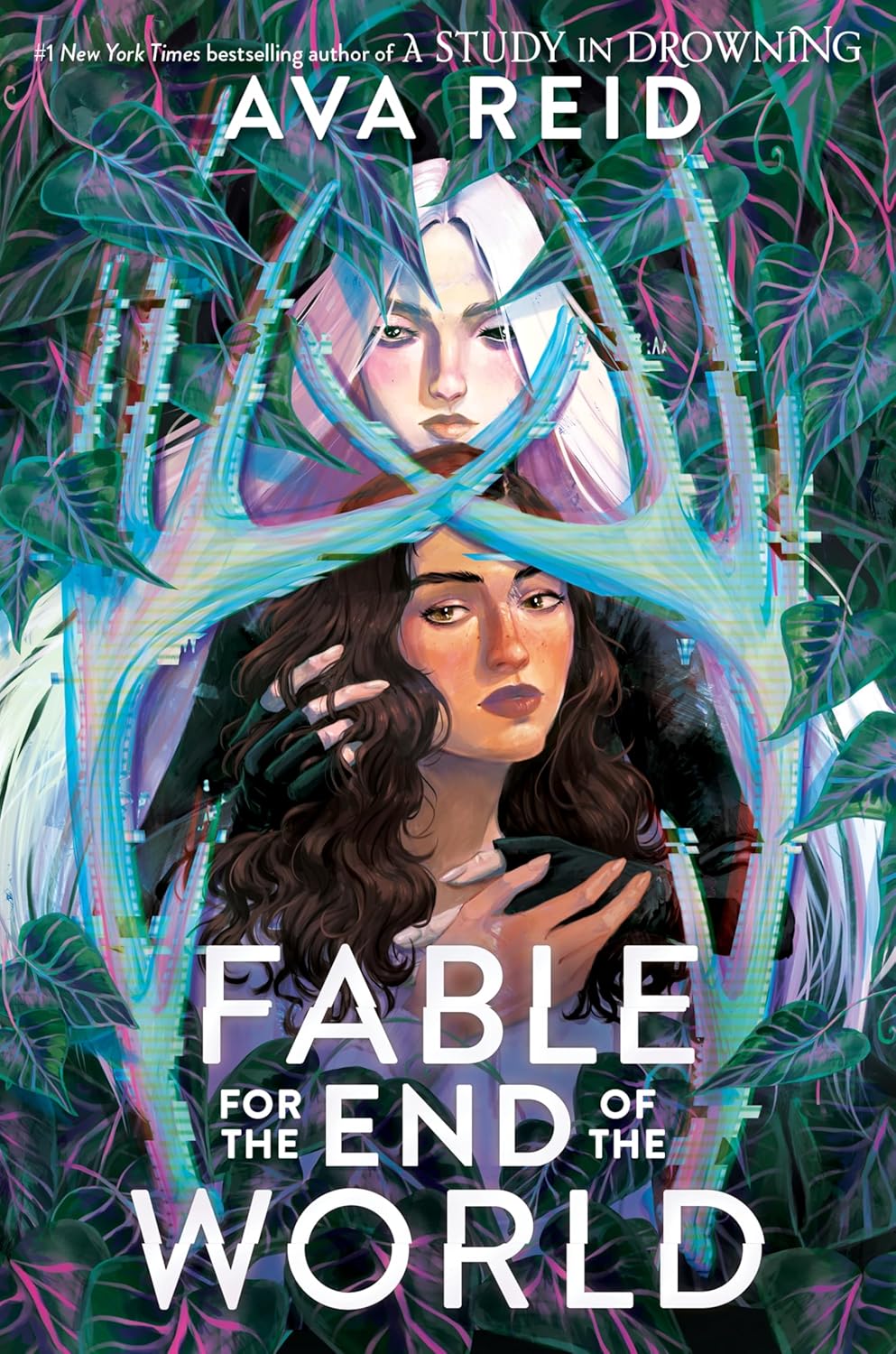
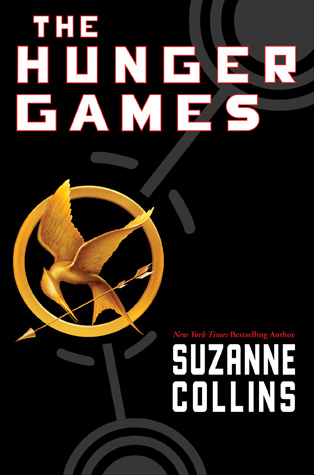
Fans of Ava Reid's soggy dystopia Fable for the End of the World will like this new deadly competition. Those who liked the fashion-forward decadence of the Capitol in Suzanne Collins's The Hunger Games will like this shocking TV production.
|
Details
|
Note: I was provided with an ARC by the publisher through Netgalley in exchange for an honest review. All opinions here are my own. |


"Don't get me wrong. There's death and gore. That's not the teeth we're lacking. But we're lacking strong political teeth. [...] And if your readers aren't going to be shocked, incensed, or forced to reckon with their own implicit biases, well, what's the point of the dystopia you've written?"
ReplyDeleteWhat a pity. The queer (and especially, trans) rep sounds really strong and well-done.
The rep was really good! I just wish it had been better at being a dystopia. Because it needs to be a good book first, and the good rep comes second, at least in my opinion.
DeleteSorry this one wasn't better for you.
ReplyDeleteThanks for stopping by!
DeleteSorry this wasn't enjoyable for you.
ReplyDeleteThanks for stopping by to read my review!
DeleteI've never heard it described as Dystopia as aesthetic before, but that perfectly captures this odd sub genre.
ReplyDeleteThere was a time when all YA novels were "dystopian" because The Hunger Games got so big that publishers only wanted that. Luckily, we've moved on from that... for the most part. Not everybody got the memo.
DeleteLacking political teeth...kind of a first for me 😄
ReplyDeleteXD
DeleteThis is a great critique! I especially liked your "too revolutionary" point–you're right, there should be a reckoning before a revolution!
ReplyDeleteIf we're starting with the revolution, I'd rather start in the rebellion itself. Set up the book *that* way, so that we can see how people are pushing back. But if you're starting with Regular Girl living her Regular Life, it has to be Regular first before it becomes Revolutionary. And this book was too quick to jump into the revolution.
DeleteI agree that a good dystopian should have meaningful political critique. And this blurb sounded promising, so I'm sorry to hear it didn't deliver.
ReplyDeleteIt definitely could have had something to say, politically, but we just didn't quite get there.
DeleteThis sounded like it could be so good. It's a bummer that it didn't live up to that.
ReplyDeleteThe concept was there, for sure.
DeleteAwesome feedback on a book!
ReplyDeleteThanks for stopping by!
Delete